


Your brain works hard every single day—processing information, storing memories, and keeping your body running smoothly. Yet most people never think about brain health until something goes wrong. The good news? Small, consistent habits can dramatically improve your cognitive function, protect against age-related decline, and sharpen your focus starting today.
In this guide, you’ll find 15 practical, research-backed brain health tips you can start using right now.
Why Brain Health Matters
Your brain changes throughout your entire life through a process called neuroplasticity — its ability to form new neural connections. This means it’s never too late (or too early) to start protecting and strengthening your cognitive function. Poor brain health has been linked to memory loss, reduced concentration, mood disorders, and a higher risk of conditions like dementia and Alzheimer’s disease.
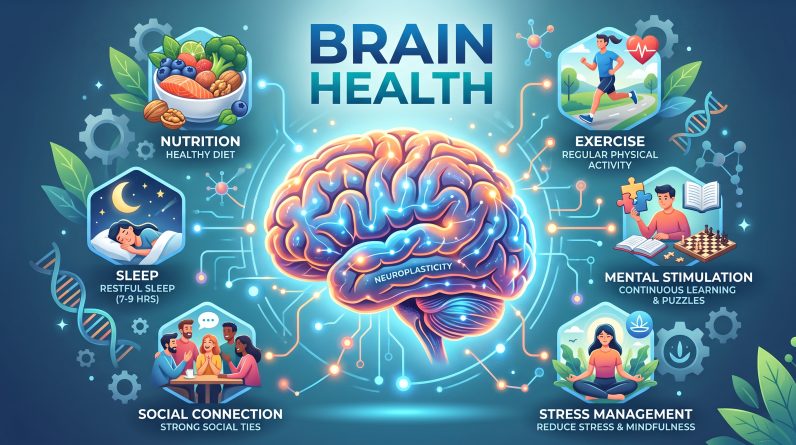
The habits below target the core pillars of brain health: nutrition, physical activity, sleep, mental stimulation, and stress management.
1. Prioritize Quality Sleep
Sleep isn’t downtime for your brain — it’s active maintenance. During deep sleep, your brain clears out toxins (including beta-amyloid, a protein linked to Alzheimer’s) and consolidates memories from the day.
Tip: Aim for 7–9 hours per night and keep a consistent sleep schedule, even on weekends.
2. Exercise Regularly
Physical activity increases blood flow to the brain and stimulates the release of brain-derived neurotrophic factor (BDNF), a protein that supports the growth of new neurons.
Tip: Just 30 minutes of moderate cardio (walking, cycling, swimming) 4–5 times a week can improve memory and executive function.
3. Eat a Brain-Healthy Diet
What you eat directly affects how well your brain functions. The MIND diet (a hybrid of the Mediterranean and DASH diets) is specifically designed to support cognitive health.
Brain-boosting foods to add:
- Fatty fish (salmon, sardines) — rich in omega-3s
- Leafy greens (spinach, kale)
- Berries (blueberries, strawberries)
- Nuts and seeds
- Whole grains
- Olive oil
4. Stay Mentally Active
Challenging your brain with new, complex tasks builds cognitive reserve — a buffer that helps protect against decline.
Tip: Learn a new language, play a musical instrument, do puzzles, or pick up a new hobby that requires focus and problem-solving.
5. Manage Stress Effectively
Chronic stress floods your brain with cortisol, which can shrink the hippocampus (your memory center) over time.
Tip: Practice mindfulness meditation, deep breathing, or journaling for just 10 minutes a day to lower stress levels.
6. Stay Socially Connected
Regular social interaction has been shown to slow cognitive decline and reduce the risk of dementia.
Tip: Schedule regular time with friends and family, join a club, or volunteer in your community.
7. Hydrate Properly
Even mild dehydration can impair concentration, memory, and mood. Your brain is about 75% water.
Tip: Aim for at least 8 glasses of water daily, more if you’re active or in a hot climate.
8. Limit Alcohol and Avoid Smoking
Excessive alcohol consumption and smoking are both linked to accelerated brain aging and increased dementia risk.
Tip: If you drink, keep it moderate — up to one drink per day for women and two for men, per general health guidelines.
9. Get Regular Sunlight and Vitamin D
Vitamin D deficiency has been associated with cognitive impairment and mood disorders like depression.
Tip: Spend 15–20 minutes outside daily, or talk to your doctor about supplementation if you’re deficient.
10. Practice Deep, Focused Work
Constant multitasking and digital distractions fragment attention and weaken your brain’s ability to focus over time.
Tip: Try time-blocking techniques like the Pomodoro method (25 minutes of focused work, 5-minute break) to train sustained concentration.
11. Take Care of Your Heart
What’s good for your heart is good for your brain. Cardiovascular issues like high blood pressure and high cholesterol increase the risk of stroke and vascular dementia.
Tip: Get regular checkups and manage blood pressure, cholesterol, and blood sugar levels.
12. Reduce Sugar and Processed Foods
Diets high in refined sugar and processed foods have been linked to inflammation and impaired memory function.
Tip: Swap processed snacks for whole foods like fruit, nuts, or yogurt.
13. Try Intermittent Fasting (With Guidance)
Some research suggests intermittent fasting may support brain health by triggering autophagy — the body’s process of clearing out damaged cells.
Tip: Consult a healthcare provider before starting any fasting routine, especially if you have underlying health conditions.
14. Protect Your Head
Traumatic brain injuries, even mild ones, are linked to long-term cognitive issues.
Tip: Always wear a helmet during sports or cycling, and use seatbelts while driving.
15. Consider Brain-Supportive Supplements (With Caution)
While no supplement replaces a healthy lifestyle, some — like omega-3s, B vitamins, and vitamin D — may support brain function if you’re deficient.
Tip: Talk to a healthcare professional before adding any supplement to your routine.
Final Thoughts
Brain health isn’t about one magic fix — it’s the accumulation of small, daily choices. Prioritizing sleep, movement, nutrition, mental stimulation, and stress management can meaningfully protect your cognitive function for years to come.
Start with just one or two habits from this list, build consistency, and layer in more over time. Your future brain will thank you.
Frequently Asked Questions
What is the best food for brain health? Fatty fish rich in omega-3 fatty acids, like salmon, are among the top brain-boosting foods, along with berries, leafy greens, and nuts.
Can brain health be improved at any age? Yes. Thanks to neuroplasticity, the brain can form new connections and improve function at any age with the right habits.
How much sleep do I need for optimal brain function? Most adults need 7–9 hours of quality sleep per night for optimal memory consolidation and cognitive performance.