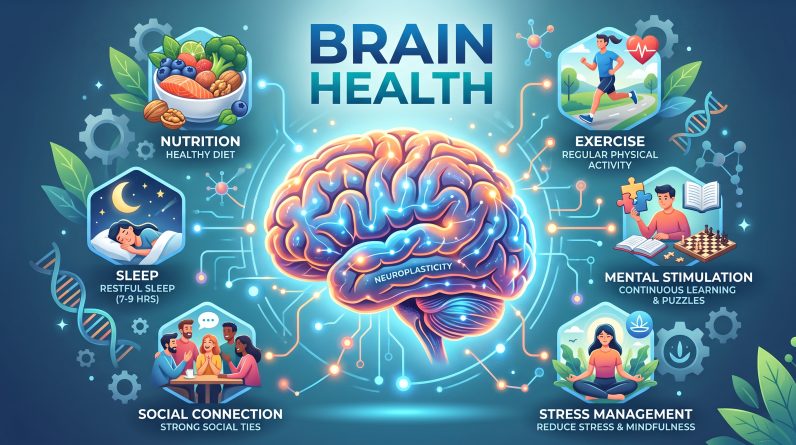



Let’s be honest — “just relax” is probably the least helpful advice anyone’s ever given you when you’re stressed out. If reducing stress were that easy, none of us would be lying awake at 2 a.m. replaying that one weird thing we said in a meeting six years ago.
Stress isn’t going away. Deadlines, bills, relationships, that group chat that never stops buzzing — it’s all part of modern life. But how you respond to stress? That part you actually have some control over. Here’s a grounded, no-fluff look at what stress does to your mind and body, what actually helps, and how tools like Mind Fit Daily can fit into a broader routine.
What Stress Really Does to Your Brain and Body
When you’re stressed, your body doesn’t know the difference between “I’m late for a deadline” and “I’m being chased by a bear.” It releases the same cocktail of hormones — cortisol and adrenaline — either way. Your heart rate climbs, your muscles tense, and your brain shifts into survival mode.
The problem is, most of us aren’t dealing with the occasional bear. We’re dealing with low-grade, constant stress: emails, notifications, financial worry, caregiving, comparison culture on social media. Over time, that constant hormonal drip wears down your immune system, disrupts sleep, and makes it harder to concentrate or feel joy in things you normally love.
If you’ve been feeling foggy, irritable, exhausted, or just “off” lately, it might not be a personal failing — it might just be your nervous system waving a white flag.
Signs Your Stress Might Be More Than “Just a Rough Week”
Trouble falling or staying asleep
Irritability or snapping at people you love
Constant fatigue, even after rest
Racing thoughts or difficulty concentrating
Physical symptoms like headaches, tight shoulders, or stomach issues
Losing interest in things you used to enjoy
One or two of these on a bad day is normal. If several of them are sticking around for weeks, it’s worth paying closer attention — and possibly talking to a professional.
Small, Realistic Ways to Manage Stress Day to Day
You don’t need a silent retreat in Bali to feel better (although, no judgment if that’s in the budget). Real stress relief usually comes from small, repeatable habits.
1. Breathe on purpose.
Try box breathing: inhale for 4 seconds, hold for 4, exhale for 4, hold for 4. It sounds almost too simple, but it directly signals your nervous system to calm down. Do it in the car, at your desk, before a hard conversation.
2. Move your body, even a little.
You don’t need an hour at the gym. A 10-minute walk outside can lower cortisol and shift your mental state. Movement helps process the stress hormones already in your system.
3. Protect your sleep like it’s a meeting with your boss.
Poor sleep and high stress feed each other in a nasty loop. Consistent sleep and wake times, less screen time before bed, and a cool dark room go a long way.
4. Say no more often.
Overcommitting is one of the sneakiest stress multipliers. Practice saying “I can’t take that on right now” without over-explaining yourself.
5. Talk to someone — really talk.
Whether it’s a friend, a journal, or a therapist, getting thoughts out of your head and into words takes away some of their power. You don’t have to carry everything alone.
6. Support your body from the inside out.
Stress doesn’t just live in your head — it shows up in your body’s nutrient needs, too. Some people find that pairing these daily habits with quality wellness supplements, like the ones from Mind Fit Daily, helps round out a stress-management routine alongside sleep, movement, and mindfulness. As always, talk to your doctor before adding anything new to your routine.
When to Consider Professional Support
There’s a common myth that therapy is only for “serious” problems. In reality, talking to a mental health professional can help with everyday stress, not just crises. If stress is affecting your sleep, relationships, work, or physical health for an extended period, a therapist or counselor can help you build tools tailored to your life. Many people find that professional support works well alongside daily habits and products like Mind Fit Daily — not as a replacement for care, but as part of a fuller routine.
The Bottom Line
Managing stress isn’t about eliminating it completely — that’s not realistic, and honestly, a little stress can even be motivating. It’s about building a toolkit so stress doesn’t run the show. Small, consistent habits, honest self-check-ins, and asking for help when you need it can make a bigger difference than any one big lifestyle overhaul.
Your mental health isn’t a luxury. It’s the foundation everything else is built on — so it’s worth protecting. If you’re looking to build out your stress-support routine, Mind Fit Daily is a good place to start exploring options that fit alongside your daily habits.
This article is for general informational purposes and isn’t a substitute for professional mental health care. If you’re struggling, consider reaching out to a licensed therapist or counselor.