


Your brain runs everything — memory, mood, focus, decision-making, and even how well you sleep. Yet most of us pay far less attention to brain health than we do to fitness or diet. The good news? Small, consistent habits can measurably improve how your brain functions, both today and decades from now.
In this guide, you’ll learn 12 practical, research-supported strategies to protect and strengthen your brain — no expensive supplements or gimmicks required.
What Is Brain Health, and Why Does It Matter?
Brain health refers to how well your brain performs across key functions: memory, processing speed, emotional regulation, and cognitive flexibility. Poor brain health is linked to higher risks of anxiety, depression, memory decline, and conditions like dementia later in life.
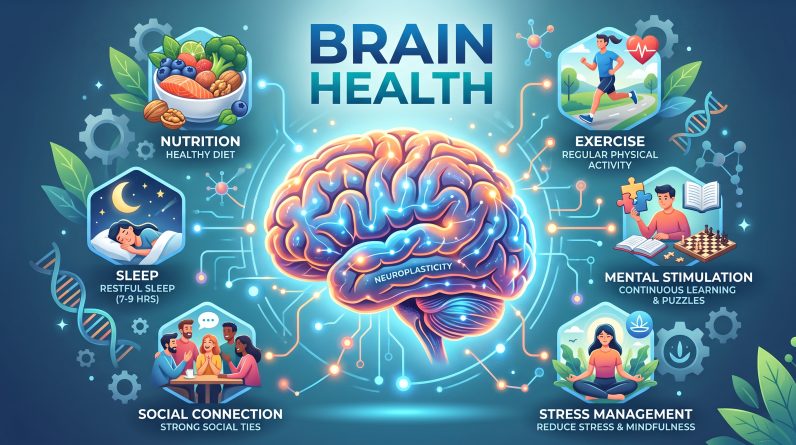
The encouraging part is that the brain remains adaptable throughout life — a concept known as neuroplasticity. This means the choices you make today, from what you eat to how you sleep, directly influence how your brain ages.
1. Prioritize Quality Sleep
Sleep is when your brain clears out metabolic waste, including proteins linked to cognitive decline. Adults who consistently get less than 6 hours of sleep show measurable drops in memory and concentration.
Tips for better sleep:
- Keep a consistent sleep and wake schedule, even on weekends
- Avoid screens 30–60 minutes before bed
- Keep your bedroom cool, dark, and quiet
- Limit caffeine after early afternoon
2. Eat a Brain-Healthy Diet
Certain foods directly support brain structure and function. The MIND diet (a hybrid of the Mediterranean and DASH diets) has been specifically linked to slower cognitive decline.
Top brain foods to include:
- Fatty fish (salmon, sardines) — rich in omega-3s
- Leafy greens (spinach, kale)
- Berries (blueberries especially)
- Nuts and seeds
- Whole grains
- Olive oil
Foods to limit: fried foods, excess sugar, processed meats, and refined carbohydrates.
3. Exercise Regularly
Physical activity increases blood flow to the brain and stimulates the release of brain-derived neurotrophic factor (BDNF), a protein that supports new neuron growth.
Aim for at least 150 minutes of moderate aerobic activity per week, such as brisk walking, cycling, or swimming, plus two days of strength training.
4. Challenge Your Brain with New Learning
Novelty forces your brain to build new neural connections. Passive activities like watching TV don’t offer the same benefit as active learning.
Try:
- Learning a new language
- Playing a musical instrument
- Puzzles, chess, or strategy games
- Taking an online course in an unfamiliar subject
5. Manage Chronic Stress
Prolonged stress elevates cortisol, which can shrink areas of the brain responsible for memory, like the hippocampus.
Stress-reduction techniques:
- Daily mindfulness or meditation (even 10 minutes helps)
- Deep breathing exercises
- Journaling
- Time in nature
6. Stay Socially Connected
Social isolation is now considered a significant risk factor for cognitive decline. Regular, meaningful social interaction keeps the brain engaged and emotionally regulated.
Make time for friends, family, community groups, or volunteer work — consistency matters more than frequency.
7. Protect Your Heart
What’s good for your heart is good for your brain. High blood pressure, high cholesterol, and diabetes are all linked to increased dementia risk.
Regular checkups, a balanced diet, and consistent exercise help protect both cardiovascular and cognitive health simultaneously.
8. Limit Alcohol and Avoid Smoking
Excessive alcohol use and smoking are both associated with accelerated brain tissue loss and impaired memory function. Reducing or eliminating these habits has measurable cognitive benefits within months.
9. Stay Hydrated
Even mild dehydration (as little as 2% fluid loss) can impair concentration, short-term memory, and mood. Aim for consistent water intake throughout the day rather than large amounts at once.
10. Get Regular Sunlight and Vitamin D
Vitamin D receptors are present throughout brain tissue involved in memory and mood regulation. Low vitamin D levels have been linked to depression and cognitive decline.
Aim for 10–20 minutes of sunlight exposure daily, or consult a doctor about supplementation if levels are low.
11. Practice Deep, Focused Work
Constant multitasking and notification-switching fragment attention and weaken deep-thinking capacity over time. Practicing focused, single-task work — even for 25–30 minutes at a stretch — strengthens concentration and memory encoding.
12. Get Regular Health Screenings
Untreated hearing loss, sleep apnea, and thyroid issues are all linked to cognitive decline but are often overlooked. Routine screenings help catch and treat these issues early.
Frequently Asked Questions
What is the number one food for brain health? Fatty fish like salmon is often cited as the top brain food due to its high omega-3 fatty acid content, which supports brain cell structure and reduces inflammation.
Can brain health be improved at any age? Yes. Thanks to neuroplasticity, the brain can form new connections and adapt at any age, though consistency in healthy habits produces the best long-term results.
How much sleep do I need for optimal brain function? Most adults need 7–9 hours of quality sleep per night for optimal memory consolidation and cognitive performance.
Do brain-training apps actually work? Some evidence supports brain-training apps for specific skills, but real-world activities like learning a language, exercise, and social interaction tend to produce broader cognitive benefits.
What are early warning signs of poor brain health? Common signs include frequent forgetfulness, difficulty concentrating, mood changes, and trouble multitasking. Persistent symptoms should be discussed with a healthcare provider.
Final Thoughts
Brain health isn’t about one dramatic change — it’s the accumulation of daily habits: sleeping well, eating nutrient-dense foods, moving your body, staying curious, and nurturing relationships. Start with one or two changes from this list, build consistency, and let the compounding benefits support a sharper, healthier brain for years to come.
This article is for informational purposes only and is not a substitute for professional medical advice. Consult a healthcare provider for personalized guidance.